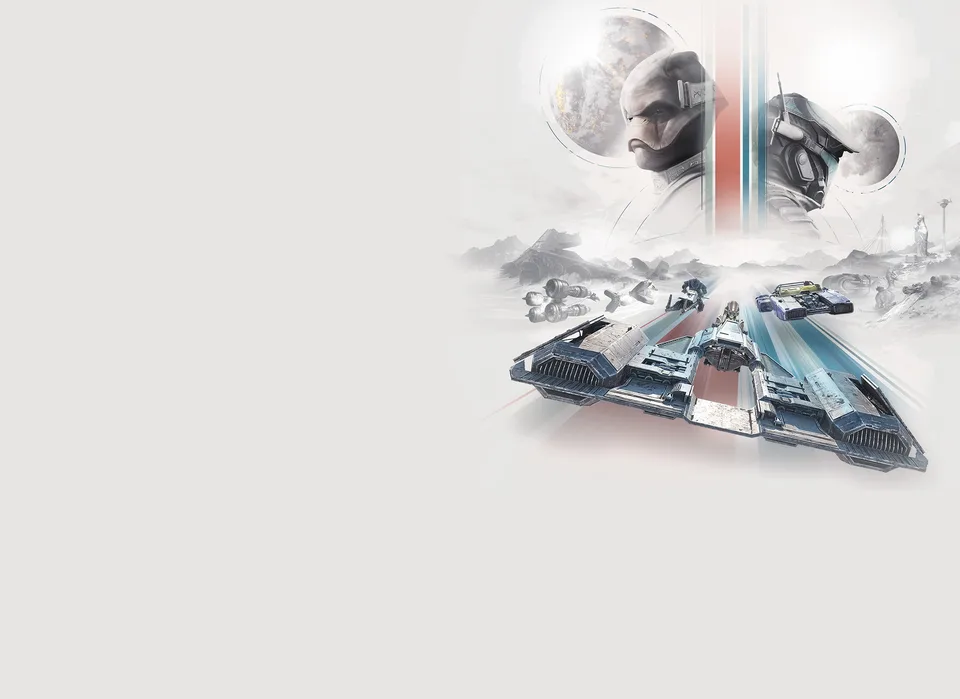
Mastering STAR WARS: Galactic Racer: Tips & Strategies
Dive into STAR WARS: Galactic Racer with our comprehensive guide. Learn about the Galactic League, character builds, and essential racing strategies.
Published: STAR WARS: Galactic Racer Wiki Editorial Team
Table of Contents
The roar of engines is returning to the galaxy, and this time, it’s not just about who crosses the finish line first—it’s about survival. STAR WARS: Galactic Racer has arrived, offering a fresh, high-stakes take on the racing genre. Developed by Fuse Games, this title moves away from the traditional, predictable racing formats of the past and introduces a gritty, underground circuit known as the Galactic League. Whether you are a veteran of the classic podracing games or a newcomer to the speeder circuit, understanding the mechanics of this game is essential to climbing the ranks.
In this guide, we will break down everything you need to know about STAR WARS: Galactic Racer, from the nuances of the "runs-based" campaign structure to the tactical differences between repulsorcraft classes. If you are looking to secure your legacy in the Galactic League, you have come to the right place.
The Galactic League: Understanding the Campaign Structure
Unlike many traditional racing games that rely on a linear "Grand Prix" progression, the campaign in STAR WARS: Galactic Racer utilizes a "runs-based" structure, often compared to rogue-lite mechanics. You are not just racing; you are managing a career. As you progress through the tour, you are faced with choices between different events, each offering unique risks and rewards.
The most critical mechanic to understand is the "League Token" system. These tokens act as your lives during a specific tour. If you crash too frequently or fail to secure a top-three finish in designated events, you lose a token. Exhausting all your tokens means you are knocked out of the current tour, forcing a restart. However, the game is forgiving in its progression; even if a run ends, you retain currency, turning points, and collected favors, ensuring that every attempt contributes to your long-term growth.
Feature
Description
Run Structure
Rogue-lite inspired, choosing paths through a tour.
League Tokens
Acts as your "lives." Lose them to get knocked out.
Progression
Persistent credits, kit points, and racer styles carry over.
Contracts
Optional backer objectives for extra rewards before a race.
Strategy is key here. Before each race, you can accept contracts from backers. While these provide extra rewards, they also add complexity to the race. Deciding when to take the safe route and when to chase a high-risk, high-reward contract is the difference between a successful season and an early exit.
Choosing Your Ride: Repulsorcraft Classes
One of the most engaging aspects of STAR WARS: Galactic Racer is the variety of vehicles available. You aren't just limited to one type of craft; the game features four distinct classes, each with its own physics and handling profile. According to community feedback and early previews, mastering the differences between these crafts is vital for success on diverse tracks.
Craft Class
Handling Profile
Best Use Case
Landspeeder
Stable, drift-friendly
Beginners, tight corners
Skim Speeder
Fighter-like, banks into turns
High-agility, technical courses
Speeder Bike
High acceleration, wide turning
Open tracks, speed-focused
Podracer
Ultra-fast, high-risk
Expert players only
It is important to note that Podracers, while iconic, operate at a significantly different speed tier than the other vehicles. Because of this, you cannot race them against other types of speeders in the same event. If you choose to pilot a Podracer, be prepared for a much higher skill ceiling and a greater risk of catastrophic failure.
Customization and Upgrades
Between races, you will have the opportunity to visit the paddocks to upgrade your vehicle. You aren't just buying speed; you are customizing your build. Upgrades can improve stats like cornering, resilience, and boosting, but the real depth comes from the parts and abilities you equip. Passive parts provide bonuses based on your current condition and the environment, while active abilities can be used during a race to sabotage opponents or gain a burst of speed.
Mastering the Track: Essential Strategies
To dominate in STAR WARS: Galactic Racer, you must move beyond simple driving. The game introduces a mechanic called "Redlining." When you engage your ramjet boost for too long, your engine meter turns red. If you push it too far, your craft will overheat and potentially explode.
However, "Redlining" is not always something to avoid. Many players report that specific parts and character traits provide massive benefits while in this state. If you are playing as a risk-taking character, you might intentionally keep your engine in the red to maximize speed. The key is knowing exactly when to pull back.
Environmental Awareness: Every planet features unique hazards. On Ando Prime, you must pass through heaters to prevent freezing, while on Jakku, the heat forces you to be more conservative with your ramjet usage.
Collision Management: Heavy hits can cause "critical malfunctions." Prioritize shields or recovery abilities if you find yourself getting caught in the pack frequently.
The "Knife Edge": When using Skim Speeders, utilize the "knife edge" maneuver to roll onto your side, allowing for tighter cornering that maintains speed better than standard drifting.
Always remember that your goal is to survive the tour. Sometimes, finishing in second place is better than risking a crash trying to secure the lead.
Character Profiles and Racing Styles
The characters you choose in STAR WARS: Galactic Racer are not just cosmetic; they define your playstyle. Each racer comes with unique traits and starting abilities that can drastically alter how you approach a track.
Dud Bolt: A favorite for those who enjoy jumps. His traits reward you for staying airborne and sticking clean landings, which refill your afterburner tank and increase its power.
Gasgano: The defensive choice. His style focuses on shields and maintaining speed, making him ideal for players who want to avoid the chaotic brawling of the mid-pack.
Teemto Pagalies: Built for recovery. If you find yourself frequently hitting walls or getting caught in system malfunctions, Teemto’s ability to "scrub" negative effects and recover quickly is a game-changer.
Sebulba: The ultimate aggressive racer. His traits revolve around takedowns. Every time you successfully ram an opponent, you gain energy and speed boosts, creating a snowball effect.
Character
Primary Style
Key Advantage
Dud Bolt
Aerial/Jumping
Refills afterburner on clean landings
Gasgano
Defensive
Shield-focused, high resilience
Teemto Pagalies
Recovery
Clears status effects quickly
Sebulba
Aggressive
Gains energy/speed on takedowns
As noted in community discussions, finding a racer that matches your personal driving style is the first step toward mastering the higher-difficulty leagues. If you prefer a controlled, clean race, do not force yourself to play an aggressive character like Sebulba just because they are "top tier" in other players' hands.
Planets and Environmental Hazards
The racing circuits in STAR WARS: Galactic Racer are as dangerous as they are beautiful. Each planet requires a different approach to your vehicle setup.
Planet
Hazard/Condition
Strategic Tip
Jakku
Extreme Heat
Monitor ramjet usage to avoid overheating.
Ando Prime
Freezing Cold
Pass through heaters to defrost.
Sentinel I
Acid Rivers
Avoid contact to prevent machine damage.
Crate
Red Salt Spray
Obscures vision; memorize the track.
Understanding these hazards is part of the preparation phase before each race. Check the track conditions and ensure your chosen parts are equipped to mitigate the specific environmental risks of that planet. For more detailed technical specifications, you can visit the Official Star Wars: Galactic Racer Website.
Arcade Mode vs. The Campaign
While the campaign is the core experience, STAR WARS: Galactic Racer also includes a robust Arcade Mode. This is the perfect place to practice without the pressure of losing your League Tokens or having your build scrapped.
In Arcade Mode, you can select any vehicle, any track, and any racer you have unlocked. It is an excellent environment to test different upgrades and learn the handling of the various repulsorcraft classes. Many players use Arcade Mode to "warm up" before starting a new run in the campaign. If you are struggling with a specific track in the campaign, take a break and run it a few times in Arcade Mode to memorize the corners and hazard placements.
FAQ
Q: Is STAR WARS: Galactic Racer an open-world game?
A: No, the game is track-based. It focuses on high-speed, circuit-based racing across various planets rather than open-world exploration.
Q: How do I recover from a "critical malfunction"?
A: If you take a heavy hit, you can equip specific parts or choose characters like Teemto Pagalies who have traits designed to "scrub" or clear negative status effects, allowing you to get back to top speed faster.
Q: Can I race Podracers against other speeders?
A: No. Because Podracers have a much higher speed profile than other repulsorcraft, they are categorized separately and cannot be raced against Landspeeders, Skim Speeders, or Speeder Bikes.
Q: Does the game include a season pass?
A: No, the developers have confirmed that the game will not include a traditional season pass model. All progression is handled through the in-game League system.