
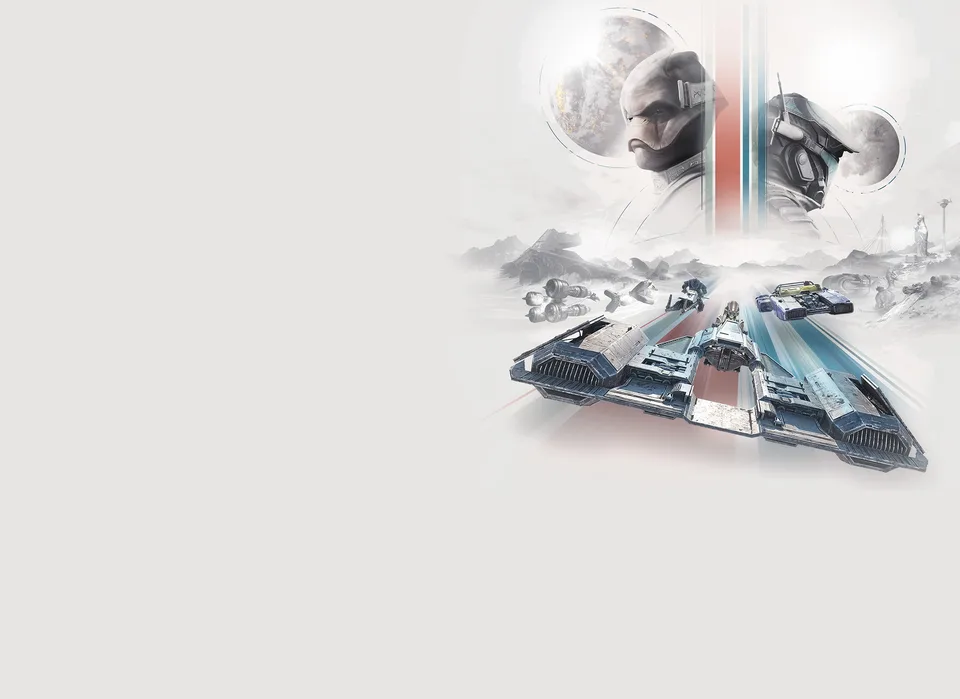
Racing in the Star Wars universe has never felt quite this dangerous or this rewarding. With the release of STAR WARS: Galactic Racer, developer Fuse Games has successfully merged the arcade adrenaline of the Burnout series with a tactical, run-based progression system. Whether you are a veteran racer or a newcomer to the cockpit, understanding how to navigate this roguelike gauntlet is the difference between glorious victory and being sold for scrap.
Table of Contents
Understanding the Roguelike Loop in STAR WARS: Galactic Racer
At its heart, STAR WARS: Galactic Racer is not just about driving; it is about calculated survival. Unlike traditional arcade racers where you simply win to unlock the next level, here every race is a step in a larger, randomized run. You play as the protagonist, Shade, attempting to navigate a treacherous galactic circuit while dealing with the machinations of rivals like Kestar Bool.
The core loop involves navigating a branching map, choosing between standard races, high-stakes Eliminators, and tactical encounters. Your vehicle starts as a humble piece of junk, and your success depends on how you choose to upgrade it using parts and abilities earned from your victories.
The Anatomy of a Successful Run
Success in this game is defined by your ability to adapt to the random variables presented in each sector. To help you manage your progression, keep the following resource priority in mind:
| Priority | Feature | Reason |
|---|---|---|
| 1 | Survival | Staying in the tournament is always better than chasing a podium finish if you are low on lives. |
| 2 | Part Kits | Essential for upgrading your vehicle’s resilience and boosting capability. |
| 3 | Credits | Necessary for purchasing new vehicles or components between sectors. |
| 4 | Cosmetic Unlocks | Lower priority, but useful for personalizing your fleet. |
Mastering Vehicle Classes and Specializations
One of the most engaging aspects of STAR WARS: Galactic Racer is the diversity of the garage. Because each vehicle class handles differently, you must adjust your playstyle accordingly. Community reports suggest that finding the right "Racer Style"—which functions similarly to a class system—is the quickest way to improve your performance.
Vehicle Class Performance Comparison
| Class | Handling Profile | Best Use Case |
|---|---|---|
| Landspeeder | Consistent, stable drift | General purpose, beginner-friendly |
| Skim Speeder | "Knife's Edge" mode for agility | Tight, winding, or narrow tracks |
| Speeder-bike | Fast but fragile | High-risk, speed-focused runs |
| Podracer | Breakneck speed, high skill floor | Expert players on wide-open circuits |
How to Build Your Ride
When customizing your vehicle, do not focus on just one stat. Instead, look for synergy between your parts and your active abilities. For example, if you are focusing on a "redlining" build (staying in the danger zone of your ramjet), ensure you also equip a part that manages heat buildup or shields you during collisions.
Tip
Combat Optimization: Always time your shield ability to activate just before a rival attempts a takedown. If you are timing it correctly, you can turn a defensive play into an offensive opportunity.
Tactical Pathing and Planetary Hazards
The Outer Rim is a dangerous place, and every planet features unique environmental hazards that change how you pilot your vehicle. Ignoring these modifiers is a common error that leads to early run failures.
Planetary Hazard Breakdown
| Planet | Hazard Type | Tactical Response |
|---|---|---|
| Jakku | None (Open desert) | Focus on speed and ramjet management |
| Lantaana | Magma / Heat | Avoid lava spills; manage engine temp carefully |
| Ando Prime | Ice / Freezing | Seek out heat tunnels to prevent system lock-down |
Players should analyze the path ahead before jumping into a race. If your current vehicle is weak against heat, look for a path that offers more "Mystery Encounters" rather than high-speed circuits through Lantaana’s volcanoes.
Strategies for Eliminator Races
Eliminators are the most nerve-wracking events in STAR WARS: Galactic Racer. In these races, the lowest-ranking pilot is disqualified at the end of each lap. It is essentially an endurance test.
Tips for Survival
- Prioritize Positioning: You do not need to be in first; you just need to be in the top three to move on. Don't take unnecessary risks just to take the lead.
- Use Shortcuts Wisely: Shortcuts are high-reward but risky. Only take them if you are confident in your drifting precision.
- Monitor Your Opponents: Keep an eye on your mini-map to see which rivals are aggressive. Use your abilities to keep them at a distance.
According to player experience shared in community forums, the key to winning these modes is consistency. A clean, average-speed race is better than a messy, high-speed race that results in a collision.
The Role of Meta-Progression
Every time you "crash out" of a run, the game does not force you to start from zero. Your previous efforts contribute to your next attempt. Your old speeder is sold for parts, and the credits you earn allow you to purchase a better base model or improved base stats for your next run.
Why Meta-Progression Matters
This system ensures that even a failed run is productive. You are constantly building a "safety net" that makes future runs slightly easier. This is a brilliant way to keep players engaged despite the high difficulty inherent in the roguelike genre.
FAQ
Q: Is STAR WARS: Galactic Racer just another pod racing game? A: No, while it includes pod racing, the game features a wide variety of speeders and an intricate roguelike campaign that differentiates it from older titles.
Q: Can I use different controllers for the game? A: Yes, the game supports various controllers. You may find, as some players have noted, that the specific button prompts for the ignition sequence feel more intuitive on certain controller layouts.
Q: Are there permanent upgrades in STAR WARS: Galactic Racer? A: While your specific vehicle build resets each run, you earn credits that carry over, allowing you to improve your starting stats for future runs.
Q: How do I unlock new vehicles? A: Vehicles are primarily unlocked and upgraded through credits earned during your runs. The better you perform, the more credits you have for your next purchase.
References
- Star Wars: Galactic Racer's singleplayer is a clever ...
- How Star Wars: Galactic Racer Shakes Up Racing Games
- Star Wars: Galactic Racer's Roguelike Story Mode is Surprisingly Good
- Star Wars: Galactic Racer Fuses Episode 1: Racer and Burnout Into a Compelling Roguelite