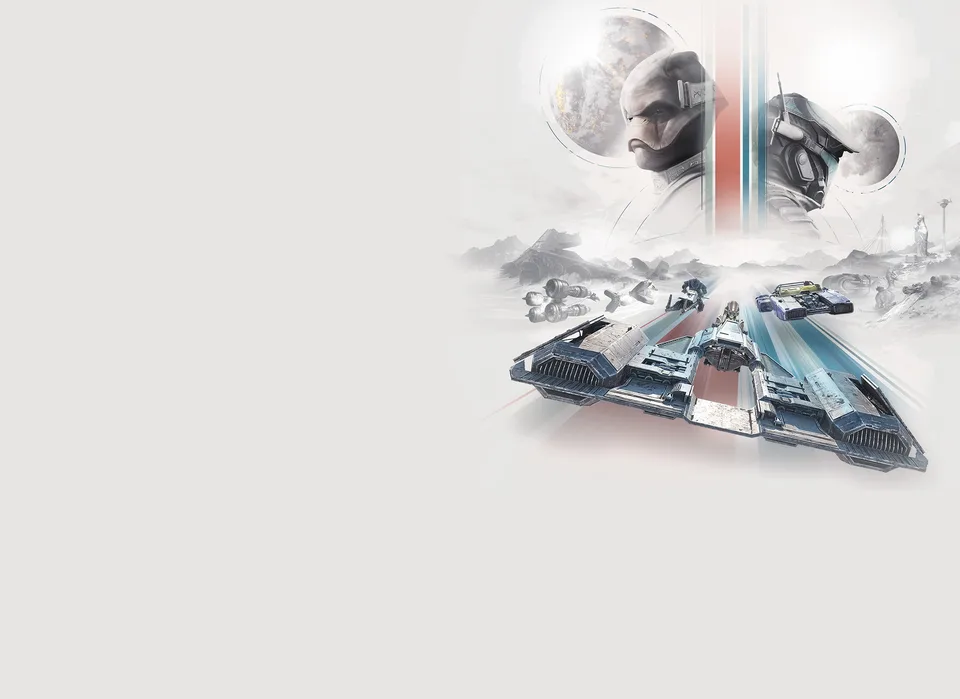
STAR WARS: Galactic Racer Early Access Guide & Gameplay Tips
Master the tracks in STAR WARS: Galactic Racer. Get the latest tips on vehicle upgrades, combat strategies, and how to dominate the Galactic League.
Published: STAR WARS: Galactic Racer Wiki Editorial Team
Table of Contents
The era of the Empire has crumbled, and in the lawless Outer Rim, a new obsession has taken hold: the thrill of high-speed, unsanctioned racing. STAR WARS: Galactic Racer has officially arrived, inviting players to join the Galactic League where fortunes are forged in the dust of Tatooine and the heat of volcanic circuits. If you are looking to climb the ranks and make a name for yourself in the galaxy’s most dangerous underground sport, understanding the mechanics of your repulsorcraft is your first step toward glory.
Whether you are a veteran of classic arcade racers or a newcomer to the speeder circuit, the learning curve can be steep. This guide breaks down everything from vehicle customization to advanced combat maneuvers, ensuring you don't just finish the race, but dominate it.
Mastering the Galactic League: Essential Mechanics
At its core, STAR WARS: Galactic Racer is a game of risk and reward. Unlike traditional racers, you aren't just fighting gravity; you are managing a complex engine system that can explode if pushed too far. The game introduces a "runs-based" structure, meaning that if you crash or overheat during a tournament act, you risk being sent back to the start.
The Three Pillars of Speed
Success in the League depends on your ability to balance three distinct movement systems. Players who master these will find themselves consistently hitting the podium:
Mechanic
Function
Strategic Use
Afterburner
Standard speed boost
Best for straightaways and recovery.
Ramjet
High-intensity thrust
Provides massive speed but causes rapid overheating.
Vent
Thermal management
Essential for cooling engines during intense racing.
Why this matters: Relying solely on the Ramjet will inevitably lead to engine failure. Community reports suggest that the most successful racers treat the "Vent" ability as their most precious resource, timing it perfectly to maintain a red-lined Ramjet without blowing their engines.
Vehicle Classes and Customization
Not all repulsorcraft are created equal. As you progress through the story-driven campaign, you will unlock different classes, each with unique physics. Choosing the right craft for the track is the difference between a clean win and a scrap-metal catastrophe.
Repulsorcraft Comparison
Class
Handling
Best For
Landspeeder
Stable/Balanced
Beginners and technical tracks.
Speeder Bike
High Agility
Tight, winding obstacle courses.
Skim Speeder
Drift-focused
High-speed, long-distance circuits.
Podracer
Raw Speed
Straight-line dominance and power.
Tip
Customization Priority: Always prioritize "Battery" and "Vent" upgrades early in your campaign. A faster engine is useless if you have to stop to cool down every few seconds.
Strategic Combat and Takedowns
Racing in the Outer Rim isn't just about speed; it’s about survival. You will frequently be "shunted" or rammed by rival pilots. Learning to fight back is essential. According to experienced players, the "Ramjet Spike" is a powerful tool to take out opponents, but it requires precise timing.
Combat Tactics for Beginners
The Shield Strategy: If you find yourself frequently targeted by AI or human rivals, equip the Shield ability early in your run. It acts as a buffer, allowing you to absorb one or two hits without losing momentum.
Mine Placement: If your vehicle supports it, dropping mines behind you on narrow sections of the track can secure your lead.
The Perfect Landing: When jumping over terrain, aim for a clean landing to receive a small speed boost. This is often the difference between catching the leader and falling behind.
Navigating the Multiplayer Circuit
Multiplayer is where the chaos truly shines. With cross-platform support enabled, you will face a variety of playstyles. The current meta involves a specific build of "Vent, Battery, and Ramjet" to ensure you can stay at top speed for the duration of the race.
Multiplayer Best Practices
Don't Follow the Crowd: It sounds simple, but many players blindly follow the leading pack. Often, these players are taking a "safe" route that is slower. Learn the shortcuts to gain a competitive edge.
Manage Your Betting: You can bet on yourself or other racers during tournaments. If you are confident in your performance, backing yourself can yield significant credits for upgrades.
Communication: While party sizes are currently limited to three, developers have noted they are listening to feedback to increase this to six. Keep an eye on official patch notes for updates.
Common Mistakes to Avoid
Even the best pilots make mistakes. Here are the most common pitfalls observed in the community during launch week:
Over-relying on the Ramjet: Using the Ramjet without a Vent ability equipped is a recipe for disaster.
Ignoring the "Hot" Status: If your craft stays "permanently hot," your speed will drop drastically. This is often a sign that you need to prioritize cooling upgrades.
Choking the Final Lap: It is common to get aggressive in the final lap. Stay calm; a consistent race is better than one that ends in an explosion.
Frequently Asked Questions (FAQ)
Q: Is STAR WARS: Galactic Racer an open-world game?
A: No, it is a run-based, track-focused racing game set within the Star Wars universe, emphasizing arcade-style mechanics and strategic upgrades.
Q: Can I play with friends on different platforms?
A: Yes, the game features cross-platform multiplayer, allowing you to race against players on PS5, Xbox, and PC.
Q: How do I unlock new abilities for my speeder?
A: You earn credits by competing in the story-driven campaign and PvP events. Use these credits to purchase upgrades like shields, vents, and battery capacity in the garage menu.
Q: Are there different difficulty levels?
A: The difficulty scales as you progress through the Galactic League. As you win, you will face more aggressive rivals and more challenging track conditions, requiring you to constantly upgrade your craft to stay competitive.